

Serbia: residency, company and tax
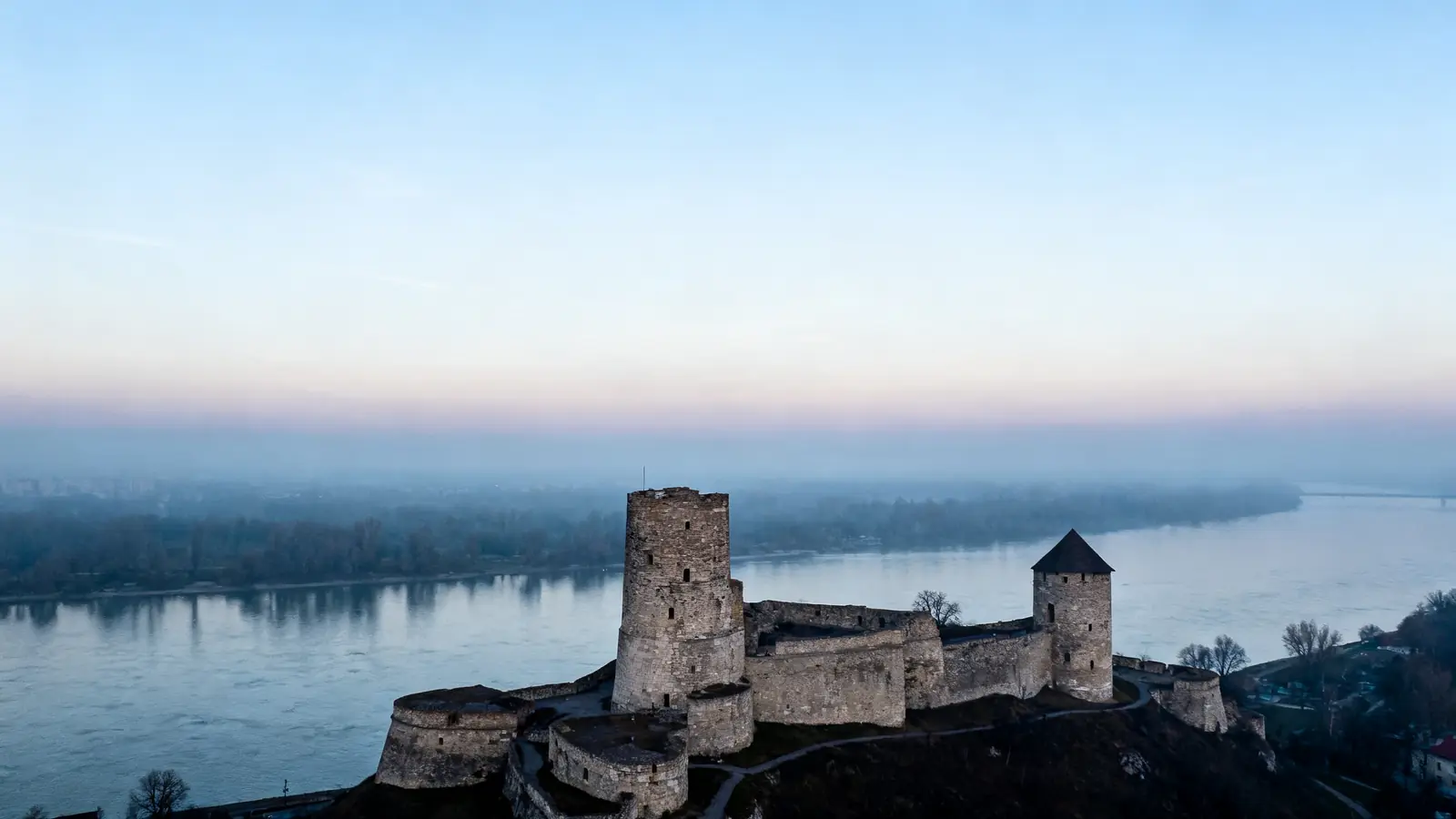
 SerbiaEurope
- Temporary residence and single permit
- Up to 3 years, renewable for the same period
- As of 2026-10-25 · [1]
Overview
Serbia suits founders, owners of online businesses and families who want a base in Europe outside the EU, with moderate living costs and short distances to EU capitals. The most common route is to register a business in Serbia, either as an entrepreneur trading in your own name or as a limited liability company, and to apply for a single permit for self-employment. A second route is owning a flat or house in Serbia that you live in.
The rules were modernised in 2023. The amendments to the Law on Foreigners, published in Official Gazette 62/2023, extended temporary residence from one year to up to three years, shortened the path to permanent residence from five years to three, and introduced a single permit that combines residence and work. Since 1 February 2024, single permit applications are filed only online through the Foreign Nationals' Portal.
Serbia taxes its residents on worldwide income. Tax residence follows 183 days in the country within a 12-month period, or having your residence or centre of business and vital interests there. Companies pay 15% profit tax, entrepreneurs pay 10% income tax, and dividends and capital gains of individuals are taxed at 15%.
Serbian immigration lawyers and licensed accountants advise on every file; Redomiciled organises the sequence and keeps the paperwork moving.
- Tax residence test
- 183 days within 12 months, or centre of business and vital interests in SerbiaAs of 2026-10-25 · [11]
Serbia company formation: entrepreneur or LLC
Foreign founders in Serbia usually register either as an entrepreneur, a natural person trading in their own name, or as a limited liability company (d.o.o.). As of October 2026, entrepreneurs pay 10% income tax, companies pay 15% profit tax, and either form can support a single permit for self-employment.
An entrepreneur (preduzetnik) is not a separate legal entity: you trade in your own name and are liable with your own assets. Registration is quicker and cheaper than for a company. Income is taxed at 10%, either on taxable profit from your books or as flat-rate (lump-sum) income, which the Tax Administration sets as a fixed amount. Flat-rate status is open to entrepreneurs with annual turnover below RSD 6 million who meet the independence criteria.
A limited liability company has its own legal personality, and its members are not liable for its debts. It pays 15% profit tax. Dividends paid to resident individuals are taxed at 15%, and dividends paid to non-residents carry 20% withholding tax unless a tax treaty reduces the rate.
Both forms are registered with the Serbian Business Registers Agency, electronically and with a qualified electronic signature or through a representative. The registrar decides within five working days. The same filing can request VAT registration, flat-rate taxation and social security registration, and companies record their beneficial owner within 15 days of formation.
Running a business is a recognised basis for residence in Serbia. Founders and entrepreneurs apply for a single permit for self-employment, and the National Employment Service checks that the business is genuine. Because extensions depend on the ground still existing, the company should have real activity and keep its filings up to date.
Bookkeeping, tax returns and contracts are handled by licensed Serbian accountants and lawyers; Redomiciled sets up the structure with them and keeps the timeline.
Who it suits
Consultants and freelancers
Your turnover stays below the flat-rate limit and you want simple, predictable taxation.
Agencies and software businesses
You employ people, reinvest profits and prefer limited liability.
Founders who need residence
You want your Serbian business to be the ground for a single permit for self-employment.
Owners planning to distribute profits
You want a company that pays 15% on profit and 15% on dividends to resident individuals.
Requirements
- Required
Registered seat in Serbia
A business address for the entrepreneur or company.
- Required
Electronic signature or representative
Registration is electronic; a qualified certificate or an authorised representative files for you.
- Required
Founding act
For a company, the decision or agreement on formation.
- Required
Beneficial owner record
Companies register their beneficial owner within 15 days of formation.
- Required
Bookkeeping and annual filings
Financial statements go to the Business Registers Agency; flat-rate entrepreneurs keep a turnover book instead.
- Depends on your case
VAT registration
Mandatory once turnover passes the statutory threshold, voluntary below it.
- Depends on your case
Flat-rate status
Requested at registration if you qualify.
Documents
- Passport copiesFor founders, directors and the entrepreneur.
- Founding act or registration formPrepared for the Business Registers Agency.
- Proof of registered seatLease agreement or owner's consent for the business address.
- Power of attorneyIf a representative files, legalised or apostilled as required.
- Bank onboarding fileSource of funds and a description of the business model.
- Flat-rate entrepreneur eligibility
- Annual turnover below RSD 6 million and independence criteria metAs of 2026-10-25 · [6]
- Dividends to resident individuals
- 15%As of 2026-10-25 · [13]
- Withholding tax on dividends to non-residents
- 20%, unless a treaty reduces itAs of 2026-10-25 · [14]
- Standard VAT rate
- 20%As of 2026-10-25 · [15]
- Registration decision
- 5 working days from receipt by the Business Registers AgencyAs of 2026-10-25 · [8]
- Beneficial owner registration
- Within 15 days of formationAs of 2026-10-25 · [9]
Timeline
- 1Choose the formEntrepreneur, entrepreneur with flat-rate tax, or limited liability company.
- 2Prepare documents and signatureFounding act, address and a qualified electronic signature or power of attorney.
- 3Electronic registrationFiled with the Business Registers Agency; the decision comes within five working days, together with the tax number.
- 4Tax and social security set-upFlat-rate request, optional VAT registration and contributions registration through the same filing.
- 5Bank account and residenceOpen the business account, register the beneficial owner and apply for the single permit.
Tax notes
- Companies pay 15% profit tax; resident companies are taxed on worldwide profit.
- Entrepreneurs pay 10% income tax on taxable profit or on the flat-rate amount, plus social contributions at 24% for pension and disability, 10.3% for health and 0.75% for unemployment insurance on the contribution base.
- Dividends are taxed at 15% for resident individuals and carry 20% withholding tax for non-residents, subject to treaty relief.
- The standard VAT rate is 20%; registration becomes mandatory above a turnover threshold.
General information, not tax advice. Your position depends on your circumstances.
Banking fit
- Serbian banks open business accounts for newly registered entrepreneurs and companies once the registration decision and tax number are issued.
- Expect questions on the source of funds, expected turnover and foreign clients; a clear description of the business shortens the review.
Questions
How do I open a company in Serbia as a foreigner?
Register an entrepreneur or a limited liability company with the Serbian Business Registers Agency. Filing is electronic, with your own qualified signature or through a representative, and the registrar decides within five working days. The tax number is issued with the registration.
What is the difference between a Serbian entrepreneur and an LLC?
An entrepreneur is a natural person trading in their own name with unlimited personal liability, taxed at 10%. An LLC is a separate legal entity whose members are not liable for its debts; it pays 15% profit tax, and dividends to resident individuals are taxed at 15%.
What is flat-rate taxation in Serbia?
A regime for entrepreneurs who do not keep full books. The Tax Administration fixes the tax and contributions as a set amount. It is available when annual turnover stays below RSD 6 million and the independence criteria are met.
Does a Serbian company give me residency?
It can be the ground for it. Founders and entrepreneurs apply for a single permit for self-employment, valid for up to three years. The business has to be genuine, and the permit is extended only while that ground continues.
What tax does a Serbian LLC pay on profits and dividends?
Profit tax is 15%. When profits are distributed, dividends to resident individuals are taxed at 15%, and dividends to non-residents carry 20% withholding tax unless a tax treaty lowers it.
Serbia residence permits: business, property and permanent residence
A Serbian temporary residence permit lets a foreigner live in Serbia for more than 90 days on a legal ground such as self-employment, employment, family reunification or ownership of a home. As of October 2026, permits are granted for up to three years, and permanent residence follows three years of continuous stay.
The Ministry of Interior grants residence under the Law on Foreigners. Founders and entrepreneurs apply for a single permit for self-employment, which combines the right to live and the right to work in Serbia. The National Employment Service assesses the business within 10 days, and the ministry decides within 15 days of a complete application. Single permit applications are filed only online, from Serbia or from abroad, and the biometric card is collected in person.
Owners of residential property use a separate ground. The law covers flats and houses in Serbia that the foreigner owns and actually lives in, and it sets no minimum value. A permit on this ground is limited to its purpose and does not include the right to work; anyone who also wants to work or run a business in Serbia needs a single permit.
Spouses and children can join through family reunification, and adults who receive a permit on that basis may work. Every applicant provides a valid passport, evidence of means of subsistence, a registered address in Serbia, health insurance and proof of the chosen ground. The ministry decides on ordinary temporary residence applications within 30 days.
Permits are renewed for the same period while the ground still exists, and the extension can be filed from three months before expiry until the last day of validity. After three years of continuous residence, with absences of no more than ten months in total or six months at a time, you can apply for permanent residence. Permanent residents have largely the same rights and duties as Serbian citizens.
Serbian immigration lawyers prepare and defend each application, and licensed Serbian tax advisers handle the tax side; we coordinate the steps and the introductions.
Who it suits
Founders and freelancers with clients abroad
You will register a Serbian entrepreneur or company and run genuine activity through it.
Families relocating together
You want a stable base for a spouse and children, who can join through family reunification.
Buyers of a home in Serbia
You plan to buy a flat or house in Belgrade, Novi Sad or elsewhere and live in it.
Long-term planners
You intend to spend most of the year in Serbia and move to permanent residence after three years.
Requirements
- Required
Valid passport
Valid for at least three months beyond the period of the permit requested.
- Required
A legal ground
Self-employment through a registered business, employment, family reunification or ownership of a home you live in.
- Required
Means of subsistence
Evidence that you can support yourself during the stay; not requested for employment-based applications.
- Required
Health insurance
Cover for the planned stay.
- Required
Registered address in Serbia
Your place of residence is registered with the police.
- Depends on your case
Serbian bank account
Usually needed to run the business and to show available funds.
- Depends on your case
Property as an additional anchor
Some founders also buy a home, which supports the case for local ties.
Documents
- Passport and copiesWith validity beyond the requested permit period.
- Business registration decisionIssued by the Business Registers Agency, for self-employment.
- Proof of ownershipTitle extract or purchase contract for the home you live in, for the property ground.
- Proof of address registrationConfirmation of your registered place of residence.
- Health insurance policyValid for the planned stay.
- Bank statementEvidence of funds.
- Decision deadline, single permit
- 15 days from a complete applicationEmployment service assessment within 10 daysAs of 2026-10-25 · [1]
- Decision deadline, other temporary residence
- 30 days from the applicationAs of 2026-10-25 · [1]
- Electronic filing
- Single permit applications only online since 2024-02-01As of 2026-10-25 · [2]
- Extension window
- From 3 months before expiry until the expiry dateAs of 2026-10-25 · [3]
- Property ground
- Housing in Serbia that the applicant owns and lives in; no minimum valueAs of 2026-10-25 · [1]
- Processing in practice (our experience)
- About 4–6 weeks in Belgrade; often faster in smaller citiesAs of 2026-03-24 · [19]
Timeline
- 1Choose the groundSelf-employment, property, employment or family reunification, depending on how you will live in Serbia.
- 2Prepare the anchorRegister the business or complete the purchase, register your address and open a bank account.
- 3File the applicationSingle permits online through the Foreign Nationals' Portal; other grounds online or in person.
- 4Decision and cardThe law sets 15 days for single permits and 30 days for other grounds; collect the biometric card in person.
- 5Renewals and permanent residenceRenew while the ground continues, then apply for permanent residence after three years of continuous stay.
Tax notes
- You are a Serbian tax resident if you spend 183 days or more in Serbia within a 12-month period, or if your residence or centre of business and vital interests is there. A permit alone does not answer that question.
- Residents are taxed on worldwide income at flat rates that depend on the type of income: 10% for employment and entrepreneurial income, and 15% for dividends, most interest and capital gains.
- Individuals with high annual incomes also pay a supplementary annual income tax on worldwide net income, in 10% and 15% bands above multiples of the average annual salary.
- Leaving your current country is a separate question. Its exit rules and the treaty with Serbia decide when it stops taxing you, so plan both sides together.
General information, not tax advice. Your position depends on your circumstances.
Banking fit
- A local current account is the usual way to show means of subsistence and to receive business income, so it is opened early in the process.
- Banks review identity, source of funds and the business model; a registered address and, later, the residence card make onboarding easier.
Questions
How can a foreigner get residency in Serbia?
By applying for temporary residence on a legal ground: self-employment through a Serbian entrepreneur or company, employment, family reunification, studies or owning a home you live in. Founders apply online for a single permit; property owners apply on the ownership ground.
Can I get Serbian residency by buying property?
Yes. The Law on Foreigners allows temporary residence for owners of a flat or house in Serbia in which they live. No minimum value applies, but the permit does not include the right to work and lasts only while you own and use the home.
How long is a Serbian residence permit valid?
Up to three years, renewable for the same period while the ground still exists. The extension can be filed from three months before expiry until the expiry date, and you may stay in Serbia while it is pending.
Can I work in Serbia with a residence permit?
It depends on the ground. A single permit for employment or self-employment includes the right to work. A permit based on property ownership does not, while adults who join a family member through reunification may work.
When can I apply for permanent residence in Serbia?
After three years of continuous temporary residence, while still holding a valid permit. Absences of up to ten months in total, or six months in one stretch, do not break continuity. Time spent on a student permit counts only by half.
Does a Serbian residence permit make me tax resident?
Not by itself. Tax residence follows 183 days in Serbia within 12 months or having your centre of vital interests there. Your former country applies its own rules, so a permit alone rarely ends tax residence elsewhere.
Banking in our network
We do not publish institution names: the right partner depends on your profile, and each institution keeps its own view on who it will serve.
0
No partner institution in our network is based here; companies and residents here are introduced to partners in other jurisdictions.
- A Serbian bank account is part of most residence files: entrepreneurs and companies need one to operate, and applicants use it to evidence their means of subsistence. Banks open accounts for non-residents and newly registered businesses after their own identity and source-of-funds review.
- Serbian banks are not part of our banking network. If you also need an international private or corporate account, our banking assessment looks at that separately.
Questions
Does Serbia have a golden visa?
No. Serbia sets no investment amount for residence and has no citizenship-by-investment programme. Foreigners qualify through a registered business, employment, family ties, studies or owning a home they live in, and the permit lasts only while that ground continues.
How long does it take to get permanent residence in Serbia?
Three years of continuous temporary residence. Over those three years you may be abroad for up to ten months in total, or up to six months in one stretch, and you must still hold a valid temporary permit on the day you apply.
Does Serbia tax foreign income?
Yes, for tax residents. Serbian residents are taxed on worldwide income, and those with high annual incomes also pay a supplementary annual tax on their worldwide net income. Where two countries treat you as resident, the applicable tax treaty decides which one has priority.
Sources
- 1.Ministry of Interior: Law on Foreigners (Official Gazette 24/2018, 31/2019 and 62/2023), English text, retrieved 2026-10-25
- 2.Ministry of Interior: Information for foreign nationals (single permit, electronic filing), retrieved 2026-10-25
- 3.Welcome to Serbia (government portal): Approval and extension of temporary residence, retrieved 2026-10-25
- 4.Welcome to Serbia: Information about the single permit, retrieved 2026-10-25
- 5.Welcome to Serbia: Visa for foreign business owners, retrieved 2026-10-25
- 6.Welcome to Serbia: Choose the appropriate form of business organization, retrieved 2026-10-25
- 7.Welcome to Serbia: Income taxes, retrieved 2026-10-25
- 8.Serbian Business Registers Agency: Companies register, general instructions, retrieved 2026-10-25
- 9.Welcome to Serbia: Initiate the registration process, retrieved 2026-10-25
- 10.PwC Worldwide Tax Summaries: Serbia, taxes on corporate income, retrieved 2026-10-25
- 11.PwC Worldwide Tax Summaries: Serbia, individual residence, retrieved 2026-10-25
- 12.PwC Worldwide Tax Summaries: Serbia, taxes on personal income, retrieved 2026-10-25
- 13.PwC Worldwide Tax Summaries: Serbia, income determination, retrieved 2026-10-25
- 14.PwC Worldwide Tax Summaries: Serbia, corporate withholding taxes, retrieved 2026-10-25
- 15.PwC Worldwide Tax Summaries: Serbia, other taxes (VAT), retrieved 2026-10-25
- 16.Welcome to Serbia: Family reunification, retrieved 2026-10-25
- 17.Redomiciled internal notes: Serbia residence programme (internal), retrieved 2026-10-25
- 18.Redomiciled internal notes: Serbian tax residence for entrepreneurs (internal), retrieved 2026-10-25
- 19.Redomiciled internal notes: Serbia residence and tax residence guide (internal), retrieved 2026-10-25
Reviewed by the Redomiciled team on .
Plan your next step in Serbia.
Answer a few questions and we come back with a recommendation for your situation, without obligation.